Emergency board-up and stabilization
We secure openings, assess structural risk, and isolate affected areas to reduce further damage and improve safety for occupants and trades.
Serving Portland, Oregon & surrounding areas
24/7 Emergency Response
If your home or business has fire, smoke, or soot damage, we move quickly to stabilize the structure, document the loss, and restore the space with a clear plan and clean workmanship.
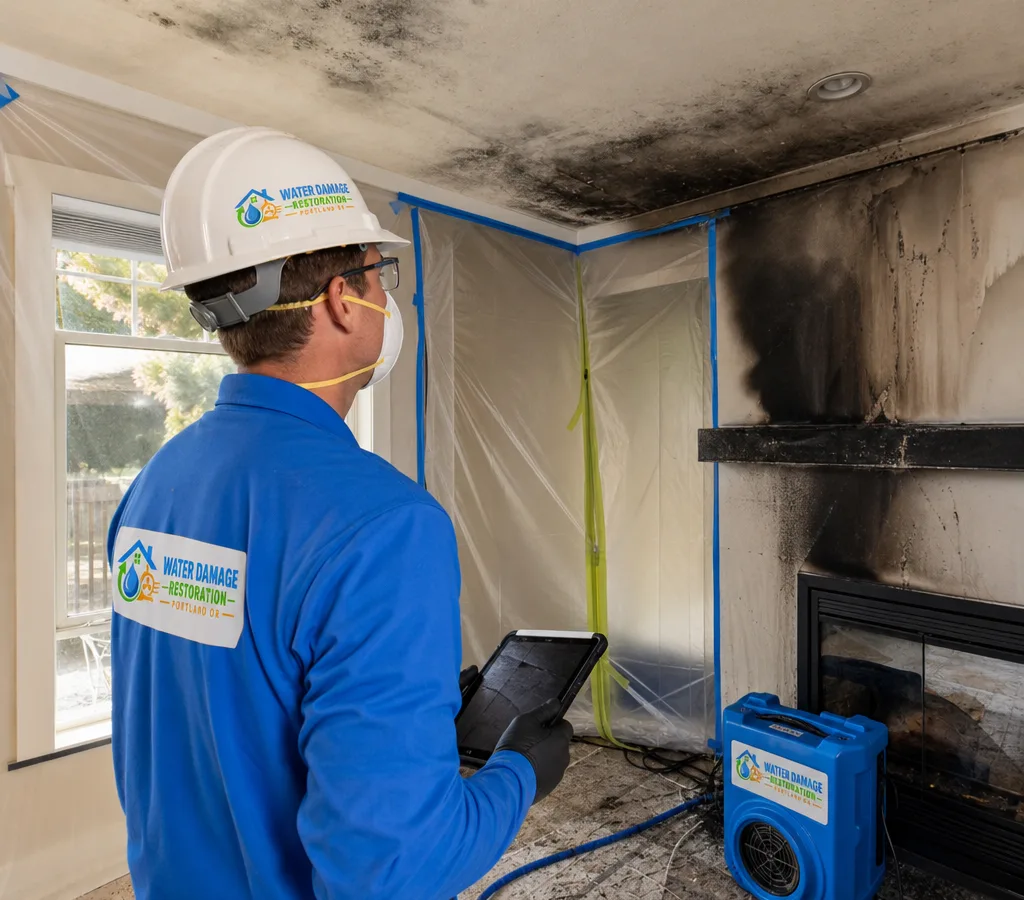
Fire damage is rarely limited to what burned. Smoke migrates through wall cavities and HVAC paths, soot embeds into porous surfaces, and water used to put the fire out can create secondary damage. Our Portland fire restoration service is built around getting the property safe first, then removing contamination, and finally restoring the building materials and finishes so the space is usable again.
We help property owners across Portland, OR, including homes, condos, apartments, and small commercial spaces. In older neighborhoods such as Irvington and Laurelhurst, restoration often means careful demolition around plaster, old-growth framing, and original trim details. In the Pearl District and South Waterfront, access, elevator use, and HOA requirements can affect scheduling, protection, and debris handling. In East Portland areas like Gateway and Hazelwood, we commonly see mixed construction types where smoke odor can travel differently depending on insulation and ventilation.
Because fire losses can involve multiple parties, we keep the work organized: safety and stabilization, a documented scope, measured drying when water is present, controlled cleaning, and repair. If you are comparing providers for fire restoration Portland Oregon, look for a team that explains what will be removed versus cleaned, how odor will be addressed, and how the rebuild will be sequenced so you are not paying twice for the same work.
Each scope is organized around immediate safety, contamination control, salvage decisions, and a clean transition into repairs.
Request Emergency ServiceWe secure openings, assess structural risk, and isolate affected areas to reduce further damage and improve safety for occupants and trades.
Dry and wet cleaning methods are matched to the surface: framing, masonry, painted drywall, cabinetry, and fixtures. We use HEPA filtration to keep particulate from spreading.
Smoke odor is treated at the source with techniques like thermal fogging, hydroxyl or ozone treatment when appropriate, and targeted cleaning of porous materials and HVAC components.
We remove only what cannot be cleaned or safely retained, then bag and contain debris to limit cross-contamination through the rest of the property.
Drywall, insulation, flooring, trim, paint, and cabinetry repairs are sequenced after cleaning and odor treatment so the finished space stays clean.
Clear photos, notes, and a written scope help align expectations among owners, adjusters, and property managers before major work begins.
After the fire department clears the property for entry, the next steps should focus on safety and limiting secondary damage.
What helps right away:
What usually makes cleanup harder:
In Portland, rain and wind can quickly turn a partial roof or window opening into a bigger problem, so stabilization and moisture control often matter as much as the initial smoke cleanup. If water was used to extinguish the fire, we treat the project as both fire restoration and a moisture-managed drying job so hidden cavities do not become a second restoration event later. For a broader look at our restoration work in the metro, Water Damage Restoration Portland also covers how we approach documentation and job management.
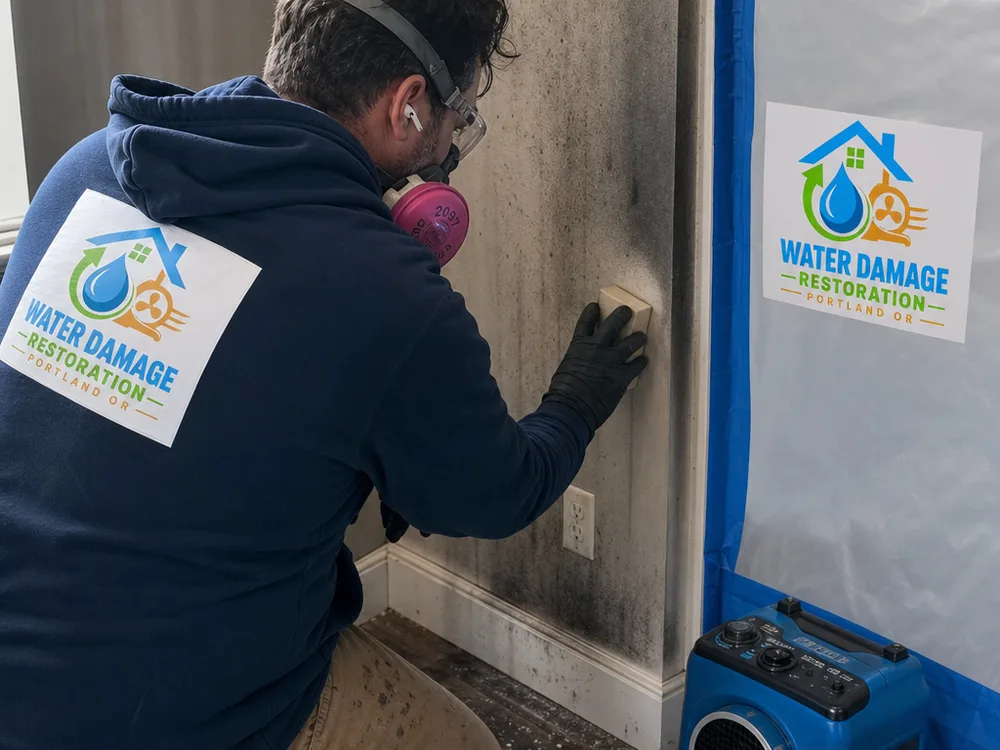
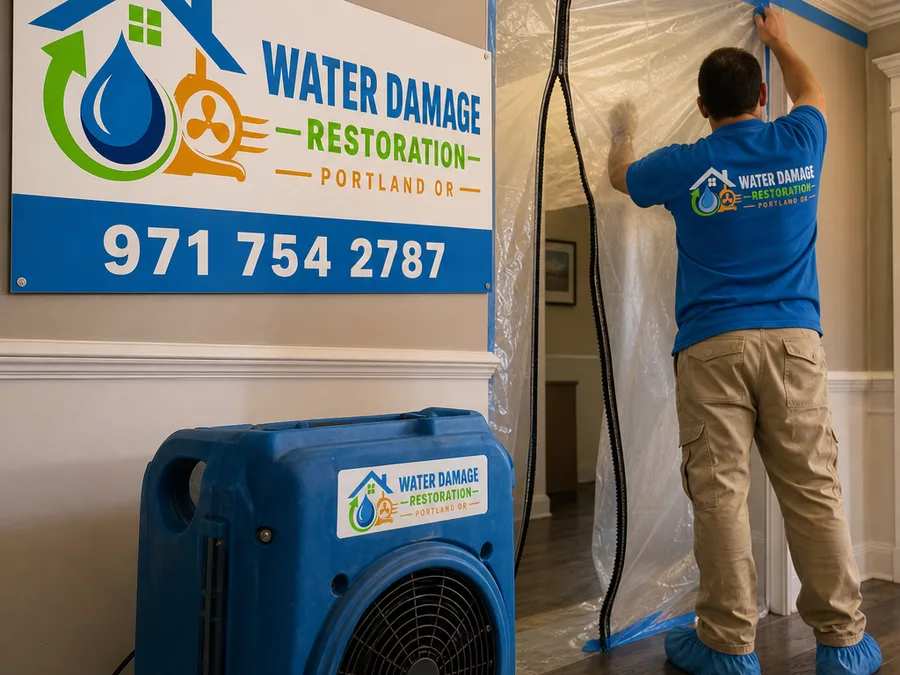
We check for unstable materials, electrical concerns, and unsafe air conditions. Containment and negative air help keep soot from spreading to unaffected rooms.
You get a written outline of what will be cleaned, what will be removed, and what will be rebuilt. We also identify time-sensitive items like exposed framing, wet materials, and valuables.
If suppression water is present, we extract and dry using dehumidification and moisture measurements. Drying is verified with readings, not guesswork.
We use methods appropriate to the soot type and substrate, including HEPA vacuuming, dry sponging, and controlled wet cleaning. Contents cleaning is handled based on what is salvageable.
Odor work is staged: source removal first, then treatment. We may use hydroxyl generation during occupancy; other methods are used only when conditions allow.
We rebuild damaged assemblies, then complete paint, trim, flooring, and fixtures. The job closes with a walkthrough and a punch list so the space is ready for normal use.
Fire restoration in Portland typically ranges from about $3,000 to $12,000 for limited smoke/soot cleanup and minor repairs, while moderate structural and contents work often falls around $15,000 to $60,000+. Major losses that involve extensive demolition and rebuild can exceed $100,000.
Final price depends on affected square footage, soot type and depth, how much must be removed versus cleaned, odor treatment needs, HVAC involvement, access (multi-story or condo rules), and whether water mitigation is required. The exact cost is confirmed after an on-site inspection and a written scope of work.
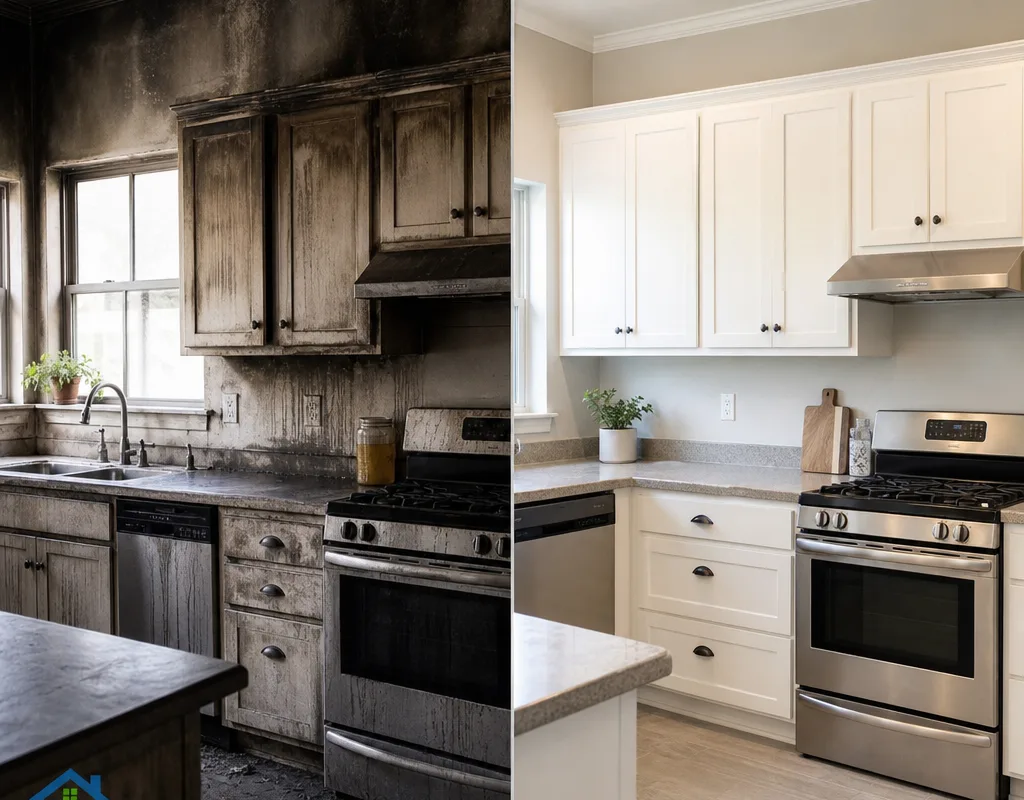
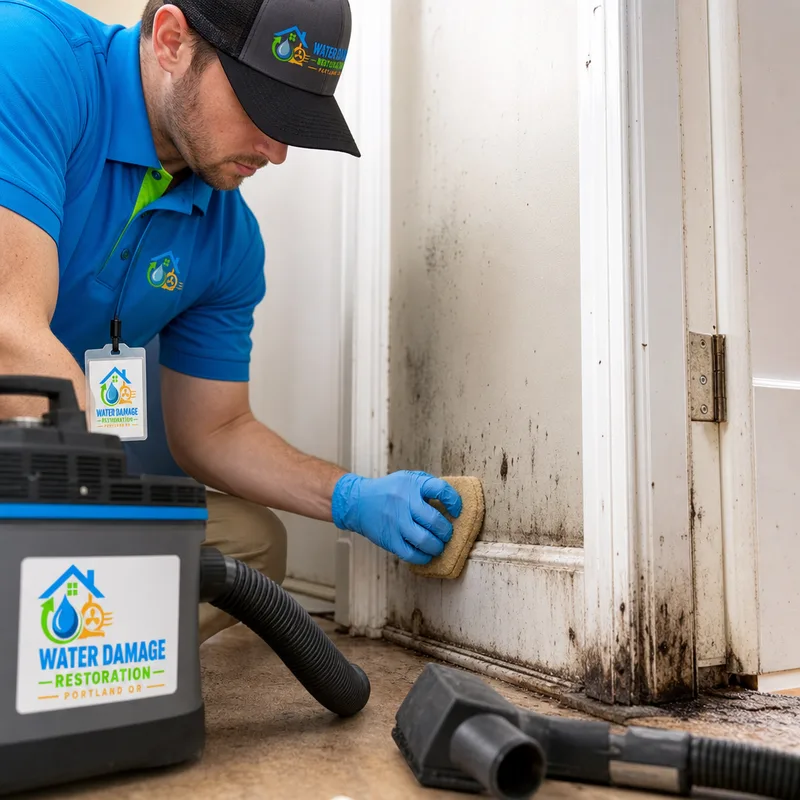
“After a small electrical fire, the smell was the worst part. They explained what could be cleaned, what needed to come out, and why. The air was noticeably better within a day, and the rebuild schedule was clear the whole time.”
“We are in a condo and needed tight coordination with building rules. Containment was done right, and the common areas stayed clean. The finished unit passed our walkthrough without a fight over details.”
In many cases we can begin same-day or next-day stabilization, depending on safety clearance and access. Early steps like board-up, containment, and HEPA filtration help prevent soot spread and weather-related damage, which matters in Portland when openings are exposed to rain.
Yes, when the source is removed and the right materials are treated or replaced, smoke odor can be eliminated. Effective odor control usually requires a combination of soot removal, cleaning of porous surfaces, and targeted treatment such as hydroxyl generation or thermal fogging based on the situation.
Many items can be restored if they are cleaned promptly and not heat-damaged, including some hard goods, certain textiles, and sealed surfaces. Porous items like unfinished wood, paper, and foam can retain odor and may need specialized cleaning or replacement after evaluation.
Yes, we provide documentation like photos and a written scope to support the claim process and keep decisions consistent. You still control repair choices, but clear documentation helps align expectations before demolition, cleaning, and rebuild begin.
Sometimes, but it depends on air quality, the areas affected, and whether utilities and structural elements are safe. If soot is widespread or odor treatment requires restricted access, temporary relocation can be the safer and faster option until containment, filtration, and repairs are in place.
Cleaning focuses on removing soot residues, addressing odor, and restoring surfaces that can be retained; rebuilding replaces materials that are charred, structurally compromised, or too contaminated to clean. A good fire restoration plan explains exactly which assemblies will be cleaned versus removed so the final finishes do not fail later.
Tell us what happened and what areas were affected, and we will schedule an on-site inspection to outline the cleanup steps, the rebuild scope, and a realistic timeline for getting your Portland property back to normal.