A moisture-first diagnosis
Mold follows moisture. We focus on finding the damp materials, entry points, or humidity drivers that allow growth to persist.
Serving Portland, Oregon & surrounding areas
24/7 Emergency Response
Get clear answers about possible mold growth with a careful, room-by-room inspection and a straightforward report you can use for next steps.
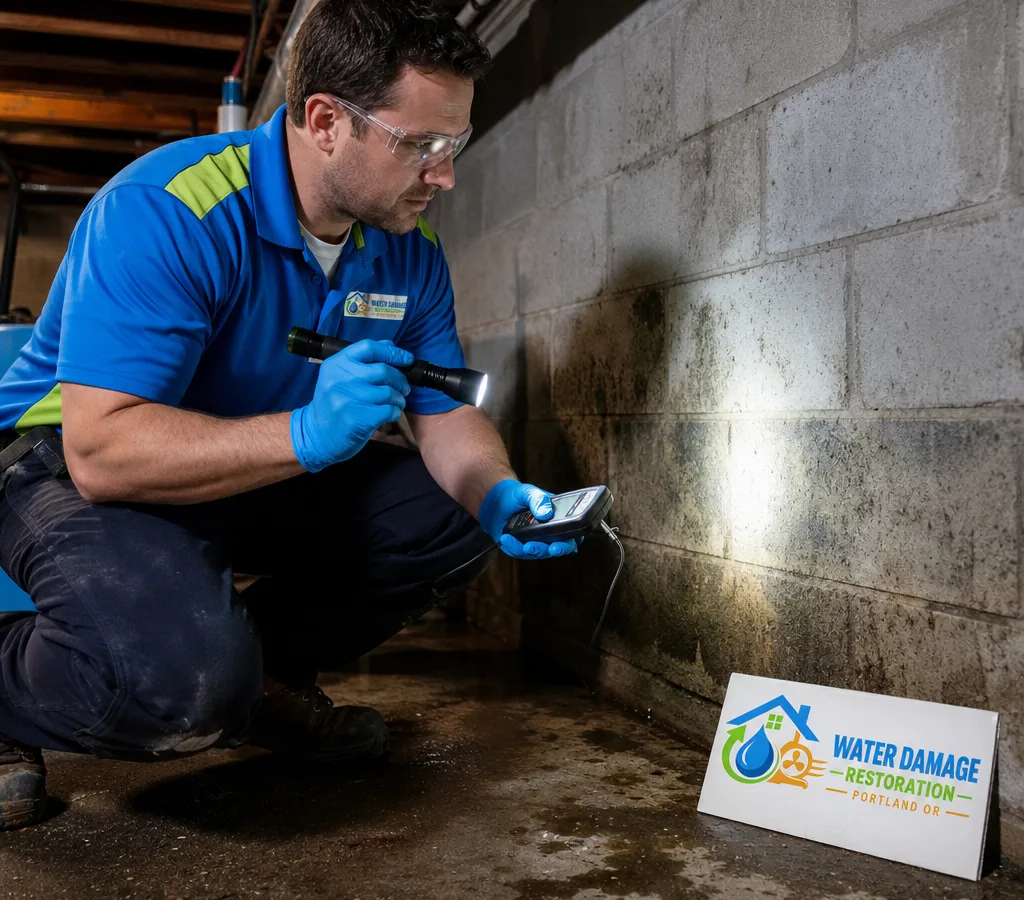
A portland mold inspection makes sense any time you smell a persistent musty odor, see staining that keeps coming back, or have had a leak, roof issue, or plumbing overflow. In Portland's wet season, small moisture problems can linger long enough to support mold growth in the places you rarely see, like crawlspaces, attics, behind baseboards, or around window frames.
Our team at Water Damage Restoration Portland OR provides mold inspection services focused on locating the moisture source, identifying likely growth areas, and documenting conditions clearly. The goal is simple: you should know what is happening, where it is happening, and what to do next.
Common situations where we are asked for mold inspection Portland homeowners rely on:
If you are also dealing with active moisture problems, our broader Water Damage Restoration service can help stabilize the situation so conditions do not continue to worsen while you plan next steps.
A proper inspection is more than a quick look at visible discoloration. We combine visual checks with moisture diagnostics so findings are tied to building conditions.
Typical inspection scope:
What an inspection is not:
If sampling is appropriate, we will explain when it helps, what type of sample is being collected, and what questions the lab results can and cannot answer for decision-making.
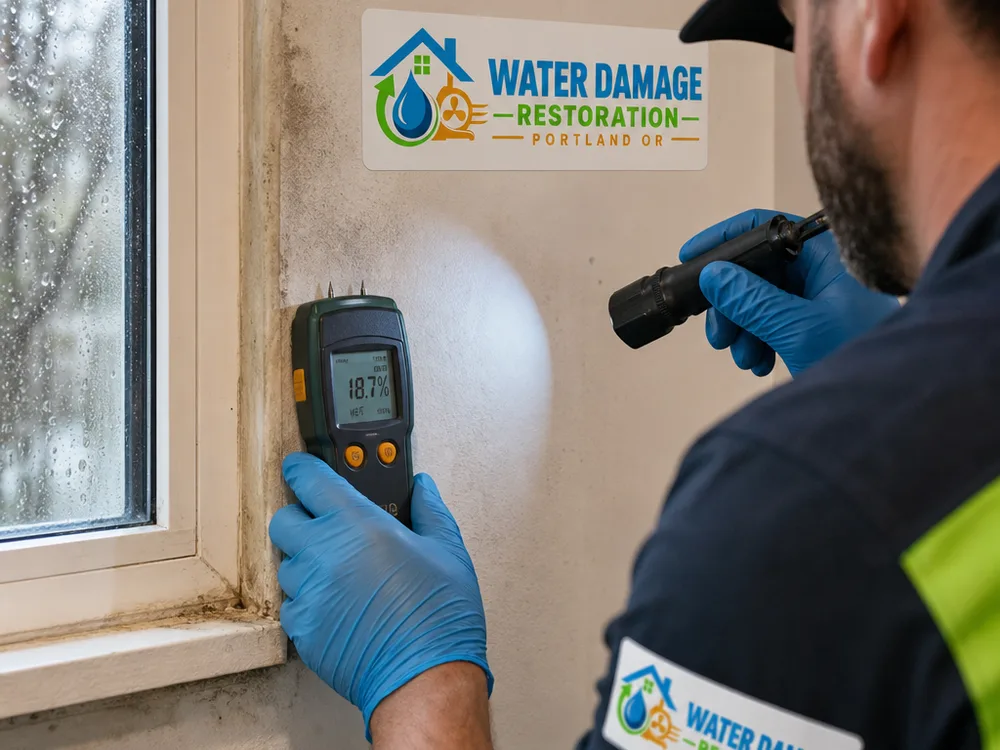
The inspection is built to turn uncertain signs into documented conditions and practical priorities.
Request Emergency ServiceMold follows moisture. We focus on finding the damp materials, entry points, or humidity drivers that allow growth to persist.
You receive a straightforward written report of what was observed, where it was observed, and practical recommendations to address it.
We explain which actions are urgent, which are preventive, and what can wait, so you can plan work in the right order.
We work carefully around furnishings and finished surfaces and explain any limitations caused by access or stored items.
Portland housing commonly includes crawlspaces, older windows, and mixed ventilation setups, all of which can affect where moisture shows up first.
In many Portland properties, the most important part of the inspection is simply reaching the places that stay cool and damp.
Areas that often need extra attention:
Neighborhood-to-neighborhood, the building types differ. Older homes in areas like Sellwood-Moreland and Richmond can have a mix of original materials and remodel layers, which sometimes makes it harder to trace how moisture is moving. In the Pearl District and South Waterfront, modern assemblies can still have issues when ventilation is undersized for real-life use or when a small plumbing leak sits unnoticed behind cabinets. In outer areas such as East Portland, varied construction eras and additions can create tricky transitions where moisture collects.
We keep the inspection grounded in what we can observe and verify on-site, then explain what additional investigation would be required if conditions point to hidden damage.
We ask what you have noticed, when it started, and whether there were leaks, roof issues, or past repairs. This helps us target the right areas first.
We inspect the spaces you are concerned about, check adjacent areas that commonly share air pathways, and use moisture tools to confirm where materials are damp.
Before we leave, we walk you through what we saw, what it likely means, and what actions are most important to prevent recurrence.
You receive a written summary with locations, observations, and recommendations. If sampling was performed, we explain how to interpret results once available.
A mold inspection in Portland typically ranges from about $250 to $650 for most homes, depending on size, access to the attic and crawlspace, and whether you need multiple areas evaluated. A small, targeted inspection of one concern area is often at the low end, while larger homes or investigations that require more diagnostic time can run $650 to $950+.
Final pricing depends on square footage, number of rooms or levels, accessibility, and whether lab sampling is requested. The exact cost is confirmed when we review the property details and scope of the inspection.
“We had a musty smell that came and went for months. The inspector traced it to elevated moisture in a corner of the crawlspace and explained what to fix first. The report was easy to follow.”
“After a small leak under the kitchen sink, we wanted to know if anything was growing behind the cabinet. They checked moisture, explained the limits without opening walls, and gave us a plan that made sense.”
Scheduling depends on current demand and how targeted the inspection is, but many inspections can be arranged quickly once we confirm the address, the concern areas, and whether attic or crawlspace access is available. If you have an active leak or wet materials, prioritizing drying and stopping the water source first helps prevent conditions from changing before the inspection.
Many situations can be handled with a visual inspection plus moisture mapping, especially when the goal is to locate the moisture source and document affected materials. Testing is most useful when you need lab-backed results for a specific decision, or when the source area is unclear and you are comparing suspected locations. We explain the pros and limits of testing before any samples are collected.
We can document visible growth and moisture conditions, and lab results can identify categories of spores, but the term “toxic mold” is not a single species and does not by itself predict health outcomes. The practical takeaway is the same: correct the moisture issue, remove contaminated materials when appropriate, and prevent re-growth with proper drying and ventilation.
Yes, inspections are commonly performed in occupied rentals, and we focus on minimizing disruption while still accessing the right areas. It helps if the unit is reasonably decluttered around suspected areas, and if bathrooms, laundry rooms, and under-sink areas are accessible for moisture checks.
Make the areas of concern accessible, including under sinks, around toilets, near windows, and any staining on ceilings or walls. Avoid running air purifiers or ozone devices right before the visit if you are planning on air sampling. If there has been a recent leak, note the date, what was repaired, and whether any materials are still damp.
We can often identify likely moisture problems using meters, infrared as a screening tool, and inspection of adjacent surfaces, but we cannot confirm conditions inside a closed wall cavity with certainty without creating an access opening. If the findings suggest hidden damage, we will explain the least invasive options to verify it.
Tell us what you are seeing or smelling and which areas you are concerned about. We will help you schedule a Portland mold inspection and leave you with a written plan for what to do next.