Plumbing leaks and supply line failures
Slow leaks under sinks, behind toilets, or at refrigerator lines can soak cabinets and subfloors before they show. We locate the affected footprint, dry the structure, then repair finishes and flooring.
Serving Portland, Oregon & surrounding areas
24/7 Emergency Response
Stop the spread, dry the structure, and repair the damage with a clear plan and careful documentation from first inspection through final rebuild.
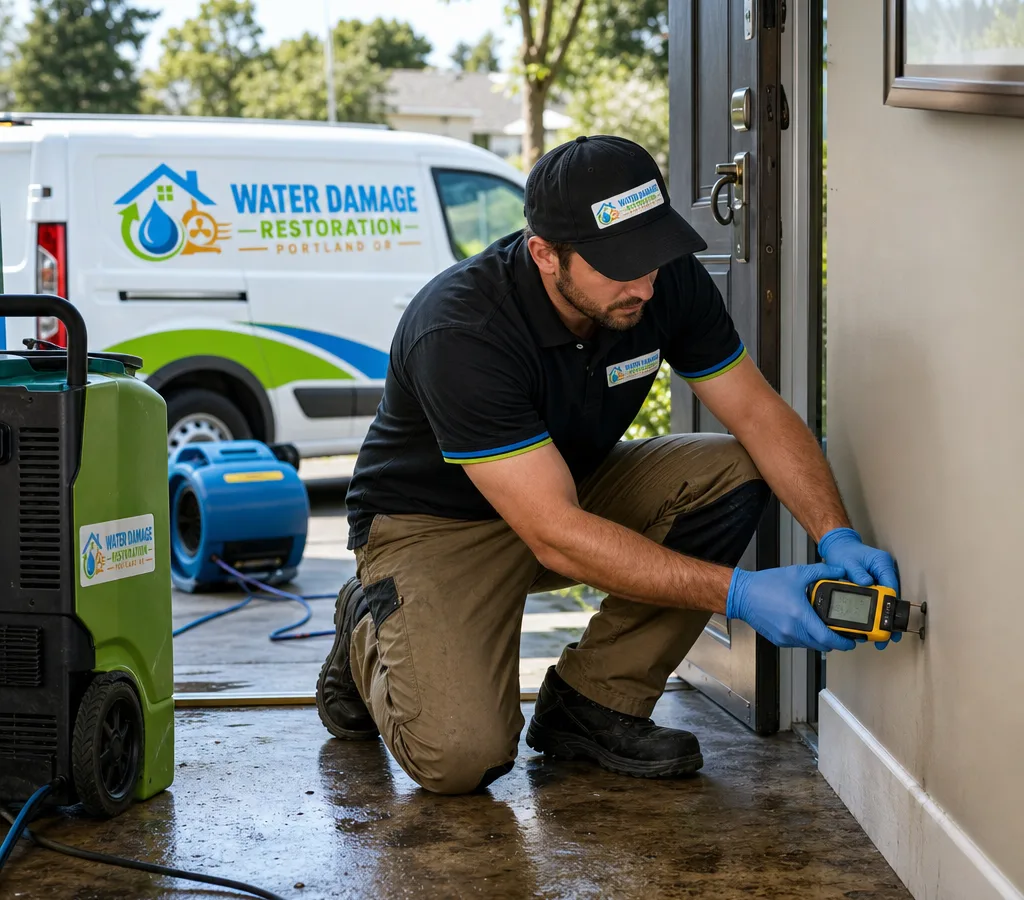
If you are searching for water damage repair portland oregon, you are probably dealing with a leak, overflow, or storm water that cannot wait. Water moves fast through drywall, insulation, and flooring, then settles into framing and subfloors where it can cause swelling, staining, and odor. The right response is a mix of immediate stabilization, measured professional drying, and repair work that puts your home back the way it should be.
At Water Damage Restoration Portland OR, we handle the full arc of water damage repair in Portland: inspection, moisture mapping, controlled demolition when needed, structural drying, and the repair and restoration work that follows. You get a written scope, straightforward communication, and repair decisions based on what is actually wet inside the assembly, not what looks wet on the surface.
Portland homes add their own challenges. Older housing stock often has plaster, lath, and layered flooring that holds moisture longer. Basements and crawlspaces common in areas like Sellwood and Montavilla can trap humidity after a supply line leak. In hillside neighborhoods such as the West Hills, runoff and drainage issues can push water toward foundations during heavy rain. The fix is the same everywhere: verify the extent with instruments, dry to appropriate targets, then rebuild correctly.
Good water damage repair starts with measurement. We use moisture meters and thermal imaging as a guide to find wet materials, then confirm with direct readings. That lets us build a drying plan that matches the materials involved: drywall and insulation behave differently than hardwood, tile assemblies, or concrete.
Typical repair scopes in Portland include:
One common mistake is closing walls or reinstalling finishes before the structure is dry. Another is drying without documentation. We track readings and progress so you have a clear record of what was wet, what was removed, and how the drying was verified.
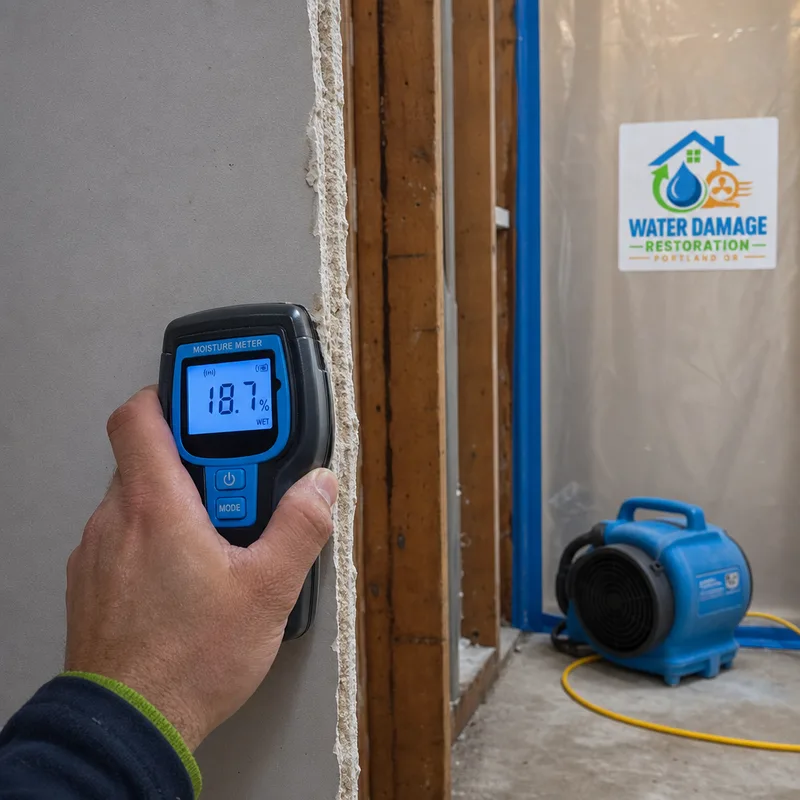
The source, water category, and materials involved determine what can be dried and what must be removed.
Request Emergency ServiceSlow leaks under sinks, behind toilets, or at refrigerator lines can soak cabinets and subfloors before they show. We locate the affected footprint, dry the structure, then repair finishes and flooring.
Laundry rooms and garages often drain poorly into adjacent framing. Extraction, targeted material removal, and fast dehumidification help prevent lingering odor and warped materials.
Wind-driven rain can show up around skylights, chimneys, or window frames. We focus on drying and repairs after the source is addressed, because repeated wetting will defeat any restoration.
Damp, enclosed areas can hold moisture long after surface water is gone. We dry with measured targets and evaluate insulation, vapor barriers, and wood moisture content before closing anything up.
When water is contaminated, the work changes: removal of impacted porous materials, cleaning, and appropriate safety controls. We will explain what must be removed and why before repairs begin.
We document affected areas, take moisture readings, and identify materials at risk. You get a clear explanation of what is wet, what can be dried in place, and what should be removed.
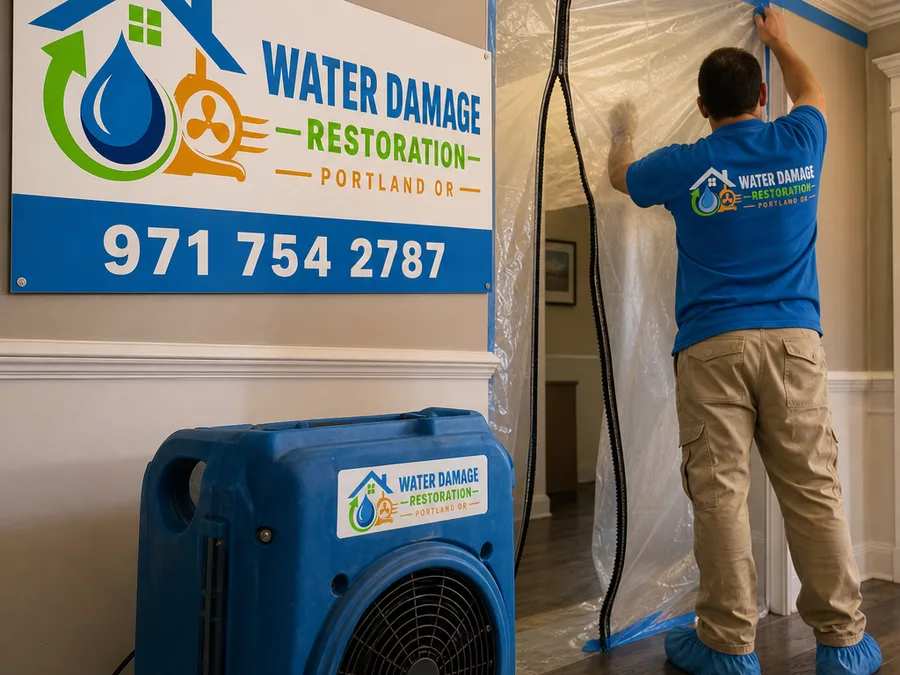
We isolate work areas as needed, protect high-traffic paths, and address concerns such as wet electrical locations or sagging ceilings. Contents and furniture are moved or protected when practical.
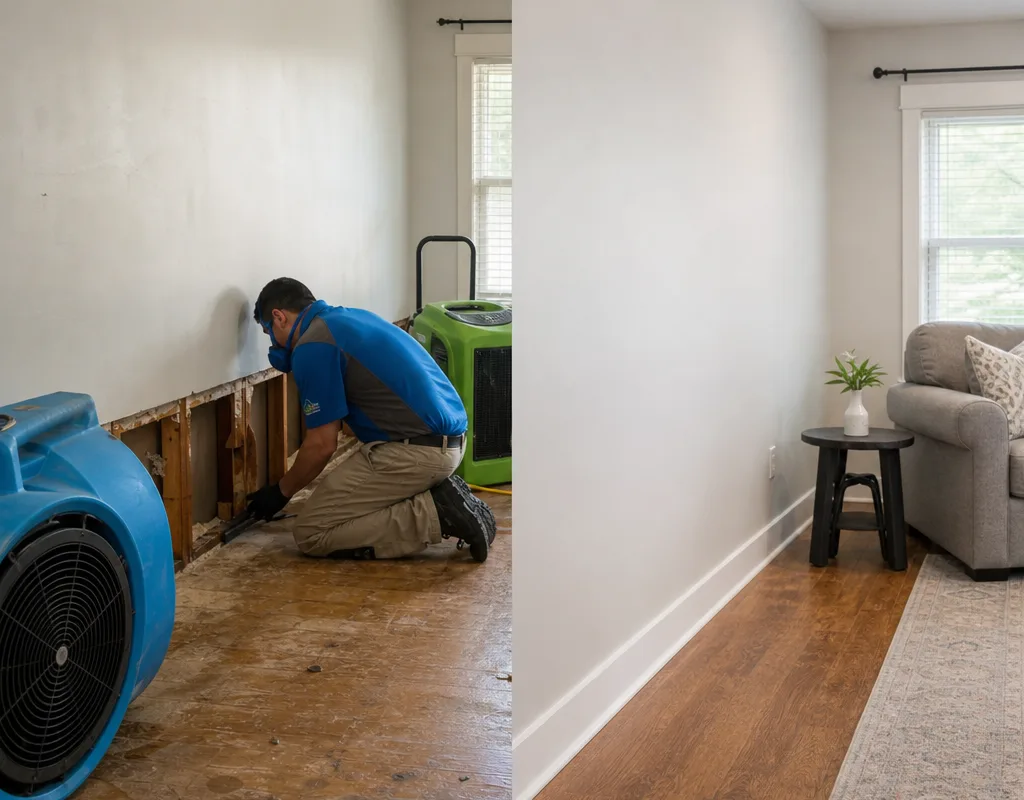
Standing water is removed first. If drywall, insulation, or flooring cannot be dried properly or safely, we remove only what is necessary to open the assembly and prevent trapped moisture.
Airflow and dehumidification are set from conditions, then readings guide adjustments. Drying is complete when materials meet appropriate targets relative to unaffected areas, not after an assumed number of equipment days.
After drying is verified, we rebuild: drywall, trim, texture, paint preparation, and flooring repair or replacement as required. We coordinate sequencing so repairs do not undo the drying work.
We review repaired areas with you, confirm the scope is complete, and provide documentation of the work performed. If you are working with an insurer, good records help reduce back-and-forth.
Water damage repair in Portland typically ranges from about $1,500 to $8,000+, with small single-room repairs on the lower end and multi-room drying plus rebuild work higher. A simple supply-line leak caught early may be closer to $1,500 to $3,500, while a kitchen or main-floor loss involving cabinets, flooring, and drywall can run $6,000 to $15,000+ depending on materials and how far water traveled.
Final price depends on category of water, how long it sat, how many materials must be removed, equipment days needed, access such as a crawlspace, tight bathroom, or stairs, and the finish level to be restored. Exact cost is confirmed after an on-site inspection and moisture mapping.
Not every water loss dries the same way, and Portland's wet season makes indoor humidity management more important. When outside air is damp, opening windows can slow drying or even add moisture back into materials. Professional dehumidification and verified readings matter more than running fans.
Housing style also affects the scope. In older neighborhoods such as Irvington and Laurelhurst, you may have plaster walls, built-up subfloors, and original hardwood that can sometimes be saved with the right extraction and drying plan. In newer builds around South Waterfront, water can travel through modern assemblies quickly and show up a room away from the original leak, especially through shared walls and stacked plumbing.
If your situation requires a broader restoration response, start with a team that can manage drying, repairs, and documentation under one roof. Many homeowners begin by looking for water restoration in Portland because they want one accountable point of contact from emergency work through final repairs.
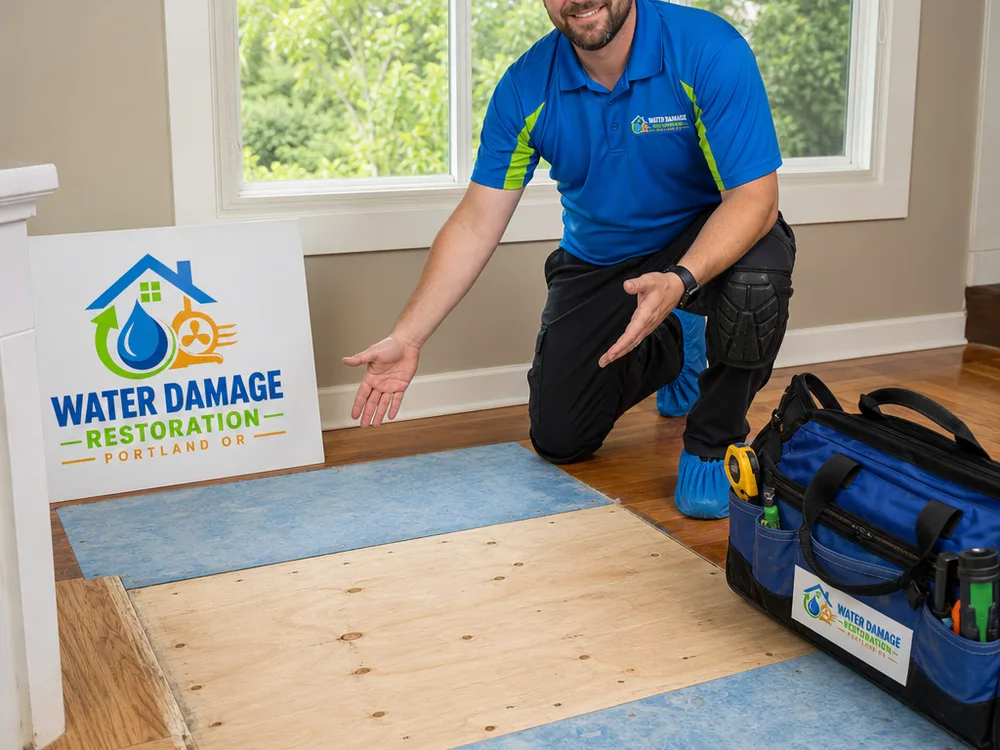
Response time depends on current demand and the severity of the loss, but water damage is treated as time-sensitive because materials begin to swell and stain quickly. When you reach out, we will triage the situation, help you take immediate steps to reduce spread, and schedule the earliest available on-site inspection and drying setup.
We can manage the drying phase and the repair and restoration work that follows, so the scope stays consistent from moisture mapping to rebuild. That reduces the common handoff problem where one company dries and another repairs without the same documentation or understanding of what was opened and why.
Stop the water source if it is safe, avoid using outlets or fixtures in wet areas, and move valuables and rugs out of standing water. If a ceiling is bulging from a leak above, keep people out from underneath it because wet drywall can fail unexpectedly; we will assess safe relief and removal once on site.
Sometimes, yes, especially if extraction happens early and drying is controlled and measured. The deciding factors are how long the water sat, whether water reached the subfloor, the floor type and finish, and whether cupping or separation has already started. We will take readings and explain whether drying in place is realistic or replacement is the safer route.
Yes, we can provide documentation such as photos, moisture readings, and a written scope that helps support your claim. Coverage varies by policy and cause of loss, so we focus on clear, job-specific records that an adjuster can review without guessing what was done.
Drying often takes several days, while repairs can range from a small patch job to multiple weeks if flooring, cabinets, or multiple rooms are involved. The timeline is driven by moisture targets, material availability, and whether specialty finishes need extra curing time; we will outline a realistic sequence once the extent of damage is confirmed.
Tell us what happened and what areas are affected, and we will schedule an on-site inspection in Portland to map moisture, explain your repair options, and lay out next steps for drying and restoration.