Water extraction and controlled drying
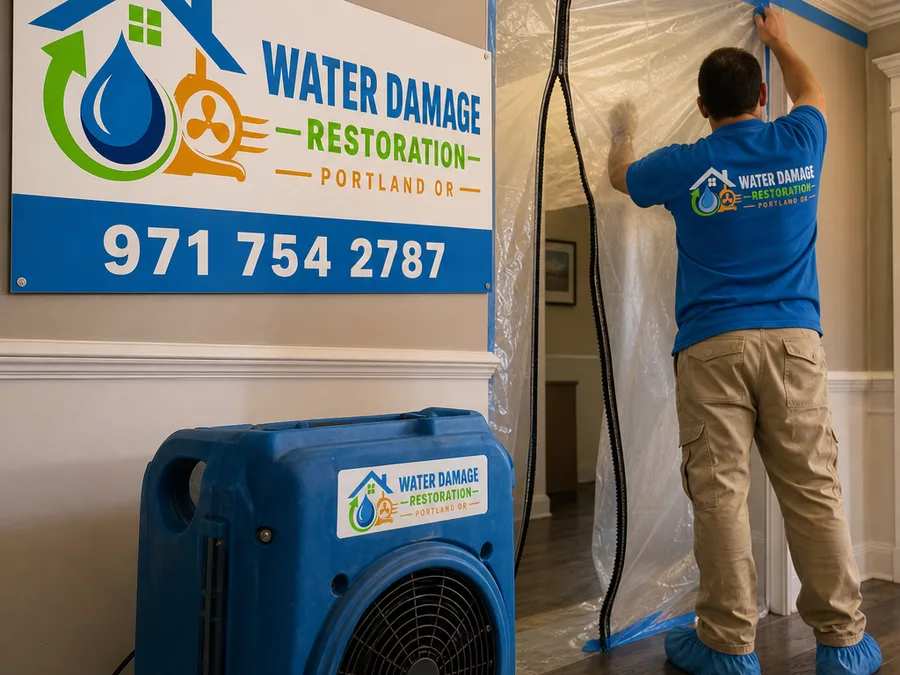
We remove standing water, then set up air movers and dehumidifiers based on the room size and material types so drying is steady and measurable.
Serving Portland, Oregon & surrounding areas
24/7 Emergency Response
Fast response for leaks, floods, and sewer backups. We dry, document, and repair with a clear plan so you can protect the structure and reduce the chance of mold.
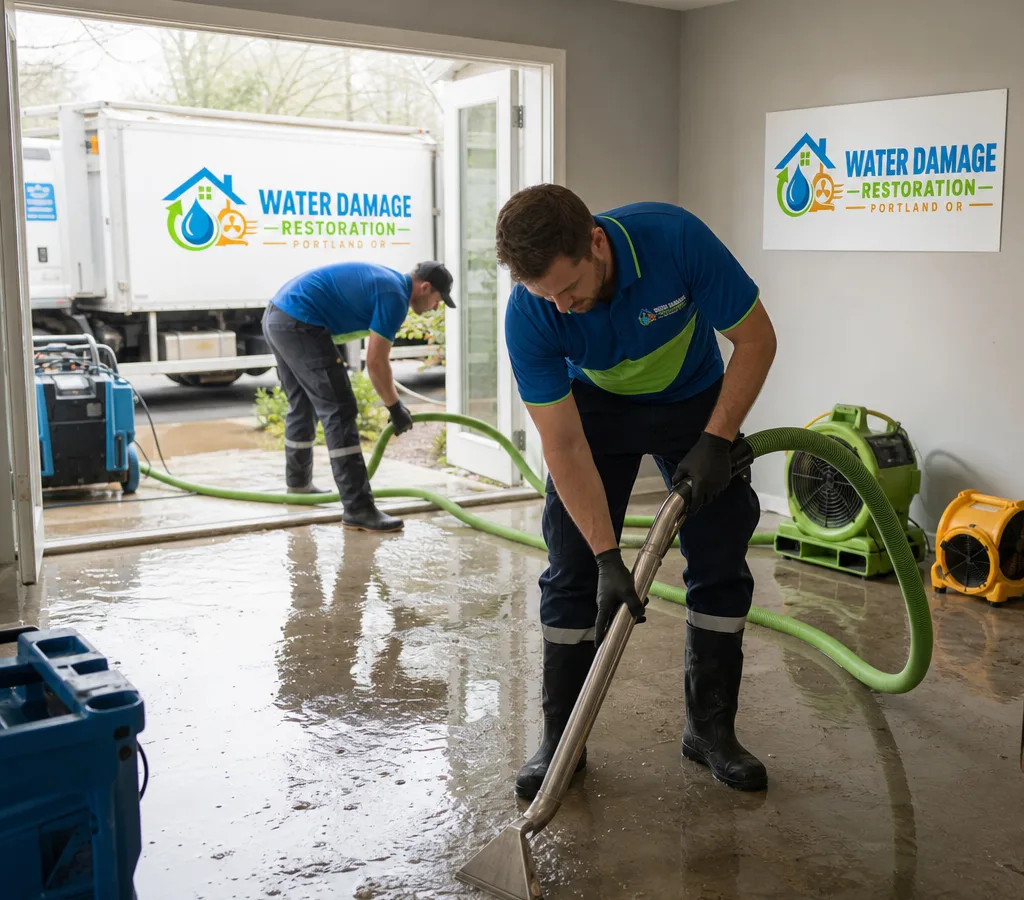
If you are dealing with water damage Portland Oregon homeowners see from burst supply lines, appliance leaks, or stormwater intrusion, the first hours matter. Water can move under flooring and into wall cavities quickly, and materials like drywall and insulation hold moisture even when surfaces look dry.
Start with safety and prevention:
Then get a professional assessment. A proper water loss plan is based on what is wet that you cannot see: subfloor, sill plates, cabinets, insulation, and the back side of drywall. Our team at Water Damage Restoration Portland OR focuses on controlled drying and sensible removal, so the building can be restored without leaving trapped moisture behind. You can also start with our Portland water restoration team for quick triage and next steps.
The restoration scope follows measured conditions, material types, and the path water took through your property.
Request Emergency ServiceWe remove standing water, then set up air movers and dehumidifiers based on the room size and material types so drying is steady and measurable.
We use non-invasive meters plus targeted probing where needed to track moisture in drywall, framing, and subfloors, and we adjust equipment as conditions change.
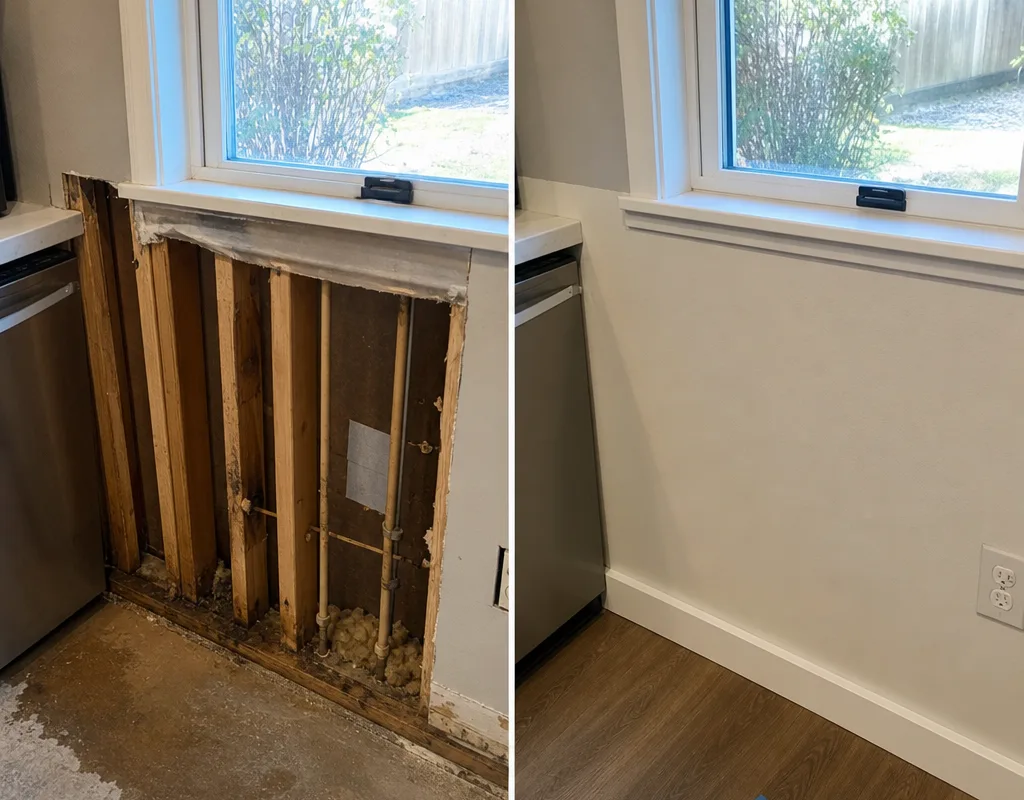
When materials cannot dry properly, such as wet insulation behind drywall, we remove only what is needed to open cavities and prevent long-term problems.
After water exposure, we clean affected surfaces and use appropriate antimicrobial or deodorizing steps based on the category of water and the materials involved.
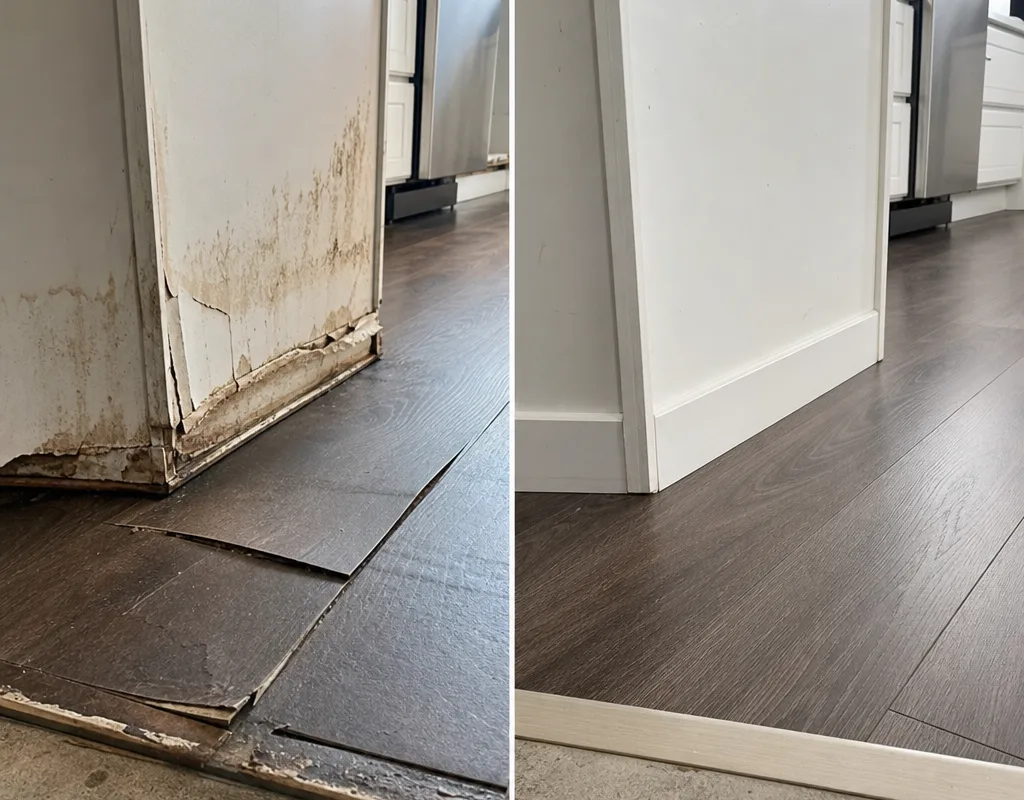
Once the structure is dry, we can rebuild removed sections, including drywall, trim, and flooring transitions, so the room is put back together correctly.
We provide photos, moisture readings, equipment logs, and a written scope so the claim conversation stays grounded in what was actually affected.
Portland's long stretches of wet weather can keep indoor humidity higher than many parts of the country, which means drying needs to be planned, not improvised. When the air outside is damp, opening windows can slow drying or even add moisture back into the space.
We set up drying around measurable targets: dehumidification sized to the affected areas, airflow patterns that push moisture out of cavities, and containment when needed to keep the rest of the home comfortable. We also pay close attention to older building assemblies common around Portland, where layered floors or plaster walls can hide moisture pockets.
Neighborhood-to-neighborhood, the construction mix changes what we look for:
If the loss involves a contaminated source, such as a sewer backup, the safety and cleanup approach changes. Materials handling and sanitation steps are more stringent than with a clean supply-line leak.
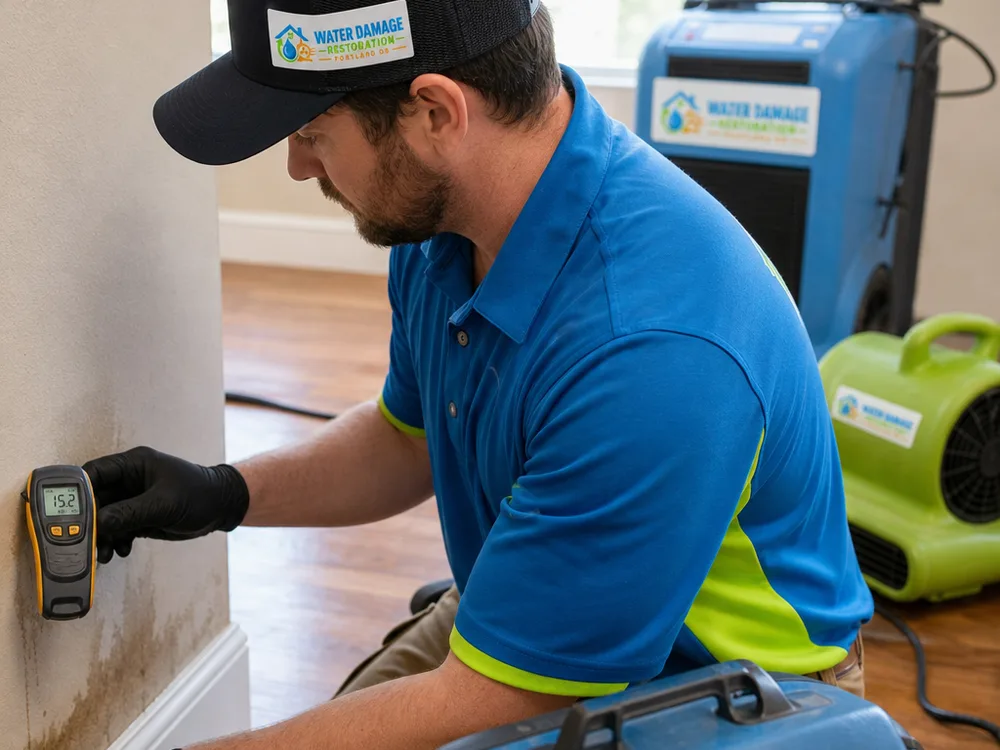
We identify the source and water category, check for electrical and slip hazards, and map affected materials, including areas that look dry but read wet.
We extract standing water, pull up saturated padding or flooring when necessary, and protect contents with careful moving, blocking, and containment.
We place air movers and dehumidifiers to match the affected rooms and cavities. If dust control is needed, we isolate the work area to keep the rest of the home livable.
We track moisture levels over time and adjust equipment placement or removal scope based on actual readings, not guesswork.
We clean impacted surfaces and apply appropriate antimicrobial steps when conditions call for it, especially after longer dwell times or non-clean water.
After drying goals are met, we provide a clear repair scope so drywall, trim, paint, and flooring can be restored in the right order.
Water damage restoration in Portland typically ranges from about $1,000 to $7,500+, depending on how far water traveled and whether materials must be removed. A small, contained leak with limited drying may land on the lower end, while multi-room losses, wet subfloors, or contaminated water raise the scope quickly.
Price drivers include affected square footage, drying time and equipment load, the water category, required demolition such as drywall, insulation, or cabinets, access constraints in condos or tight stairwells, and rebuild needs. The exact cost is confirmed after an on-site inspection and moisture mapping.
“A pipe leaked behind the vanity and we didn't realize it until the floor felt soft. They found moisture in the wall cavity, set up drying the same day, and explained what had to be removed and what could stay. The documentation made the insurance side much easier.”
“We live in a condo and were worried about the unit next to us. They checked the shared wall, monitored readings, and adjusted the equipment over a few days until everything hit dry targets. Communication was clear the whole time.”
“After a heavy rain, water showed up in our downstairs room. They traced how it traveled, dried the framing, and helped us prioritize the repairs so we could get back to normal quickly.”
In many situations we can start the same day, and the goal is to begin extraction and drying as soon as it is safe. Early action limits how far moisture spreads into subfloors and wall cavities, which often reduces demolition and shortens the overall restoration timeline.
Most residential drying takes about 3 to 5 days, but it can be shorter for small, contained leaks or longer when water reaches multiple layers such as subfloor, insulation, and framing. We base the timeline on moisture readings and material type, not just how the surface looks.
No. We remove materials when they cannot dry effectively in place or when leaving them would trap moisture. For example, drywall that wicked water high up or insulation that stayed wet typically needs selective removal so the cavity can dry correctly.
Clean water usually comes from a supply line or a tub overflow and can often be handled with drying and limited removal if caught early. Contaminated water, such as sewage or some backups, requires more aggressive removal and sanitizing because porous materials can hold pathogens and the safety standard is higher.
Yes. We provide a written scope, photos, moisture maps, and equipment logs that show what was affected and what steps were required to dry and restore it. That documentation helps keep the claim based on measurable conditions rather than assumptions.
Stop the source if safe, keep people away from wet electrical areas, and take quick photos for records. If it is a clean-water leak, you can blot or extract small puddles and run fans, but avoid opening wall cavities or pulling flooring unless you know how the materials are installed and can do it safely.
Tell us what happened, where the water started, and which rooms are affected. We will schedule an on-site assessment, explain what needs to happen first, and provide a written scope for drying and restoration.